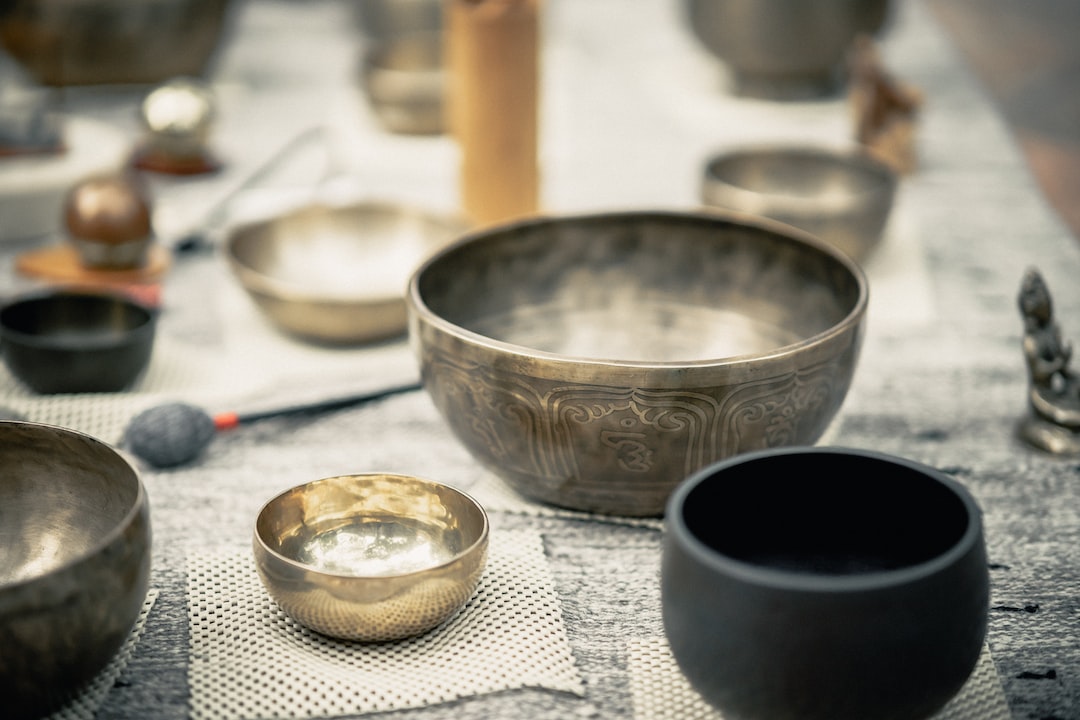
In today’s fast-paced and stressful world, finding time to relax and unwind is more important than ever. Relaxation not only helps to reduce stress and anxiety, but it also has numerous benefits for our mental and physical health. One effective way to enhance the relaxation experience is through sound therapy. Sound therapy uses various sounds and frequencies to promote relaxation, reduce stress, and improve overall well-being.
Understanding the Science Behind Sound and Relaxation
Sound waves have a profound effect on our brain and body. When we are exposed to certain sounds, our brainwaves synchronize with the frequency of the sound waves, resulting in a state of deep relaxation. This phenomenon is known as brainwave entrainment. Different types of sound therapy, such as binaural beats and white noise, can induce different brainwave states, such as alpha, theta, or delta waves, which are associated with relaxation, meditation, and deep sleep.
Creating the Perfect Environment for Your Relaxation Escape
Creating a relaxing environment is essential for a successful relaxation escape. Start by finding a quiet space where you won’t be disturbed. Remove any distractions, such as electronic devices or clutter, that may disrupt your relaxation experience. Consider using soft lighting or candles to create a calming ambiance. You can also enhance the atmosphere by incorporating elements of nature, such as plants or natural scents.
Selecting the Right Sounds for Your Personal Relaxation Experience
Choosing the right sounds for your personal relaxation experience is crucial. Different types of sounds have different effects on the body and mind. For example, nature sounds like ocean waves or birds chirping can evoke a sense of calm and tranquility. Instrumental music or classical compositions can also be soothing and help to relax the mind. Experiment with different sounds and find what works best for you.
Exploring the Benefits of Different Types of Sound Therapy
There are various types of sound therapy that can be used for relaxation. Binaural beats, for example, are created by playing two slightly different frequencies in each ear, which results in the brain perceiving a third frequency. This can induce a state of deep relaxation and meditation. White noise, on the other hand, is a constant sound that masks other sounds and can help to drown out distractions and promote relaxation. Other types of sound therapy include nature sounds, guided meditations, and chanting.
Incorporating Meditation and Mindfulness into Your Relaxation Escape

Meditation and mindfulness are powerful practices that can enhance the relaxation experience. Meditation involves focusing your attention and eliminating the stream of thoughts that often clutter the mind. Mindfulness, on the other hand, involves being fully present in the moment and accepting it without judgment. Both practices can help to reduce stress, improve focus, and promote a sense of calm and well-being.
Enhancing Your Relaxation Experience with Aromatherapy and Lighting
Aromatherapy and lighting can greatly enhance the relaxation experience. Certain scents, such as lavender or chamomile, have been shown to have calming effects on the mind and body. You can use essential oils or scented candles to create a soothing atmosphere. In terms of lighting, soft and warm lighting is ideal for relaxation. Consider using dimmer switches or lamps with adjustable brightness to create the perfect ambiance.
Using Technology to Enhance Your Sound Therapy Experience
Technology can be a valuable tool for enhancing your sound therapy experience. There are various apps and websites that offer a wide range of sounds and frequencies for relaxation. You can also invest in high-quality headphones or speakers to ensure optimal sound quality. Additionally, there are devices available that combine sound therapy with other features, such as light therapy or guided meditations.
Tips for Maintaining Your Relaxation Escape and Making it a Habit
To make relaxation a habit, it’s important to prioritize self-care and consistency. Set aside dedicated time each day or week for your relaxation escape. Make it a non-negotiable part of your routine. Find activities that you genuinely enjoy and that help you relax. It could be listening to music, taking a bath, practicing yoga, or simply sitting in nature. Remember that relaxation is not a luxury but a necessity for your overall well-being.
The Power of Sound and Relaxation in Your Daily Life
Incorporating sound therapy and relaxation practices into your daily life can have profound effects on your mental and physical health. By creating a relaxing environment, selecting the right sounds, and incorporating other elements such as meditation, aromatherapy, and lighting, you can enhance your relaxation experience and reap the benefits of reduced stress, improved sleep, increased focus, and overall well-being. Make relaxation a priority in your life and enjoy the transformative power of sound therapy.
If you’re interested in exploring the power of music to relax and unwind, you might find our article on “What is Lo-Fi Music?” fascinating. Lo-Fi music has gained popularity in recent years for its soothing and calming qualities. It’s a genre that combines elements of hip-hop, jazz, and electronic music to create a laid-back and nostalgic atmosphere. Discover how this unique genre can help you create your personal relaxation escape by clicking here. Additionally, if you’re curious about the science behind how music affects our brain and emotions, our article on “How Does Music Affect the Brain and Emotions?” delves into the fascinating research behind this phenomenon. Explore the connection between music and relaxation by clicking here.